Get Japanese Pruning in Bozeman, MT
Japanese pruning services for Bozeman property owners address overgrown or damaged trees, shaping and removing branches to improve safety, health, and appearance.
Japanese pruning services are an effective way for property owners in Bozeman, MT, to maintain the health, appearance, and safety of their trees. Proper pruning can encourage vigorous growth, improve the structure of trees, and reduce the risk of falling branches, which is especially important in areas prone to heavy snow or wind. Whether managing mature trees or shaping new plantings, exploring local options for professional pruning ensures that the work is done with an understanding of the region’s specific climate and landscape needs.
For those planning landscaping projects or seeking to enhance their property's curb appeal, comparing local contractors who specialize in Japanese pruning can provide valuable insights. Many service providers in the area offer tailored solutions that respect the unique characteristics of trees common to Bozeman and surrounding communities. Continuing to explore these options can help property owners find the right expertise to support their tree care goals.
- Japanese pruning services are needed when overgrown or damaged trees in neighborhoods like Downtown or the West End require careful shaping.
- Japanese pruning services are useful for maintaining the health and appearance of ornamental trees in residential yards across Bozeman, MT.
- Japanese pruning services can help manage tree growth that has become too dense or unruly along streets and in community parks.
- Japanese pruning services are often sought for restoring trees after storm damage or to remove dead or diseased branches in local gardens.
- Japanese pruning services are appropriate for shaping and reducing the size of trees in tight spaces, such as between buildings or near power lines.
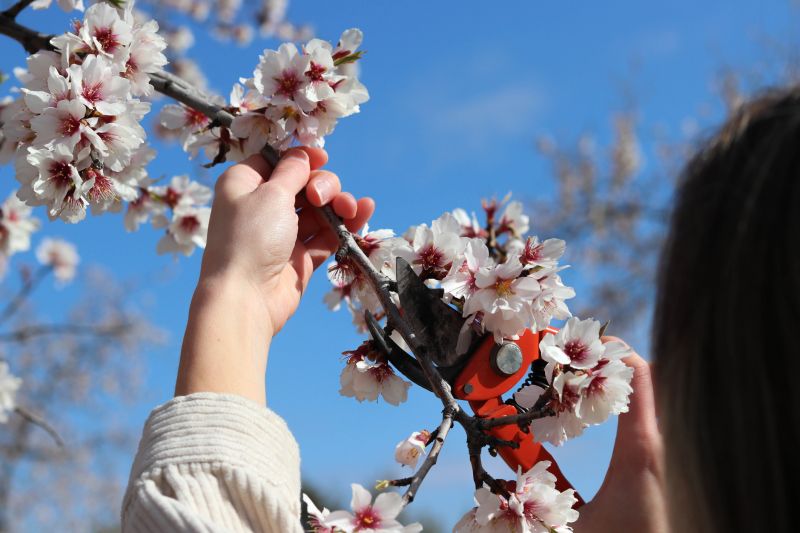
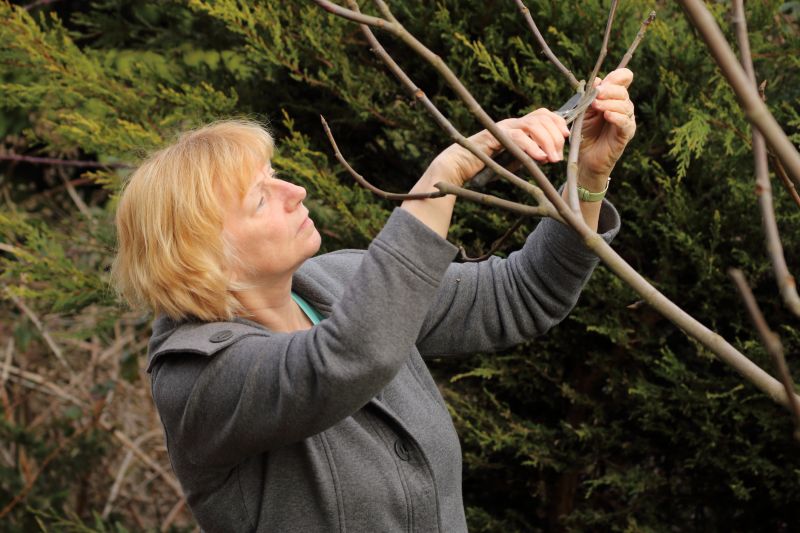
Japanese pruning services involve the careful trimming and shaping of trees and shrubs to maintain their health and aesthetic appeal. This specialized technique emphasizes precise cuts and balanced proportions, often resulting in a clean, natural look that enhances the overall landscape. Service providers skilled in Japanese pruning focus on removing dead or overgrown branches, encouraging new growth, and creating visually pleasing forms. This process not only improves the appearance of trees and shrubs but also helps ensure they remain strong and healthy over time.
Many common problems can be addressed through Japanese pruning, including overgrowth that crowds out other plants, branches that are at risk of breaking, or trees that have become misshapen due to neglect or storm damage. Proper pruning can help prevent issues such as disease or pest infestations by improving air circulation and reducing places where pests might hide. Additionally, trimming away dead or diseased wood can promote vigorous growth and extend the life of trees and shrubs, making them safer and more attractive features of a property.
Japanese pruning is often sought after by homeowners with traditional or landscaped gardens, as well as by property owners managing larger residential estates or commercial landscapes. Properties with ornamental trees, decorative shrubs, or landscape features that benefit from artistic shaping are common candidates. This service is also suitable for those wanting to maintain the structural integrity of mature trees or to improve the overall curb appeal of their property. Whether for a small yard or a large estate, local service providers can tailor pruning techniques to suit specific landscape needs.
Homeowners who notice overgrown branches, uneven growth, or signs of disease in their trees and shrubs may find Japanese pruning services particularly beneficial. It’s also a good choice for those looking to refine the appearance of their landscape or to promote healthier growth in their garden. By connecting with local contractors experienced in this specialized pruning style, property owners can ensure their trees and shrubs are maintained with care and precision, helping to keep outdoor spaces attractive, safe, and well-kept.
The overview below groups typical Japanese Pruning projects into broad ranges so you can see how smaller, mid-sized, and larger jobs often compare in Bozeman, MT.
In many markets, a large share of routine jobs stays in the lower and middle ranges, while only a smaller percentage of projects moves into the highest bands when the work is more complex or site conditions are harder than average.
Smaller Pruning Jobs - Typical costs for routine pruning of individual trees or shrubs in Bozeman range from $250 to $600. Many smaller, maintenance-focused projects fall within this range, depending on the number and size of plants involved.
Medium-Sized Projects - More extensive pruning or shaping of multiple trees can cost between $600 and $1,500. These projects are common for seasonal trimming or corrective pruning in residential landscapes.
Larger or Complex Jobs - Larger, more intricate pruning projects, such as crown reductions or removal of hazardous branches, can reach $1,500 to $3,000. Fewer projects push into this higher range, typically involving significant tree work or multiple locations.
Full Tree Removal or Major Overhauls - Complete removal or extensive pruning of mature trees can cost $3,000 and above, with larger or more complex jobs potentially exceeding $5,000. These projects are less frequent but handled by local contractors for significant landscape changes.
Actual totals will depend on details like access to the work area, the scope of the project, and the materials selected, so use these as general starting points rather than exact figures.
Tree Shaping and Training - This project involves shaping and training trees to achieve specific forms, requiring skills in pruning and plant anatomy similar to Japanese pruning techniques.
Ornamental Shrub Pruning - Pruning ornamental shrubs for aesthetic appeal involves precise cutting methods and planning, akin to Japanese pruning practices for visual harmony.
Landscape Plant Maintenance - Regular trimming and shaping of landscape plants demand planning and detailed pruning skills comparable to those used in Japanese pruning services.
Topiary Creation - Crafting topiary sculptures involves detailed pruning and shaping, utilizing tools and techniques similar to Japanese pruning methods for plant aesthetics.
Fruit Tree Pruning - Pruning fruit trees for health and productivity requires careful planning and execution similar to Japanese pruning styles focused on form and growth.
Hedge Trimming and Shaping - Shaping hedges for uniformity and design involves precise cutting and planning skills comparable to Japanese pruning techniques for visual balance.
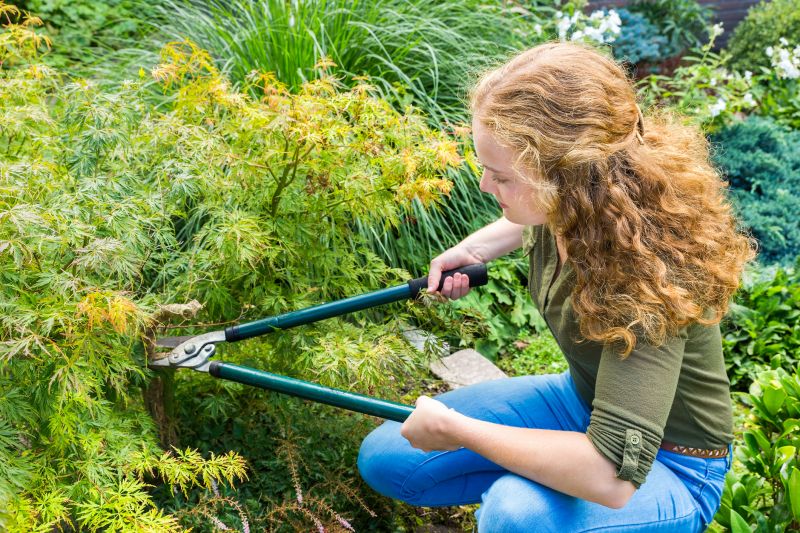
When selecting a contractor for Japanese pruning services in the Bozeman area, it’s important to consider their experience with similar projects. Homeowners should inquire about how long the service provider has been working with Japanese pruning techniques and whether they have handled trees and shrubs comparable to those on the property. A contractor with relevant experience is more likely to understand the specific pruning styles and methods that maintain the health and aesthetics of Japanese landscape elements, ensuring a result that aligns with the homeowner’s expectations.
Clear, written expectations are essential when comparing local service providers. Homeowners should seek detailed descriptions of the scope of work, including the specific pruning techniques to be used, the areas to be addressed, and any post-service recommendations. Having this information in writing helps prevent misunderstandings and ensures that both parties are aligned on the project’s goals. It’s also beneficial to clarify what the service provider will deliver and what the homeowner should expect in terms of the final appearance and ongoing maintenance.
Reputable references and effective communication are key indicators of a reliable contractor. Homeowners are encouraged to ask for examples of previous projects or references from past clients, especially those who had similar Japanese pruning work done. Good communication throughout the process-such as prompt responses to questions and clear explanations of procedures-can greatly influence the overall experience. Remember, these local contractors are available to handle the work, but it’s up to the homeowner to gather information and compare options to find the best fit for their Japanese pruning needs.
Property owners in Bozeman, MT use Japanese Pruning services for practical projects around their homes and businesses. This guide focuses on everyday jobs and straightforward project options.
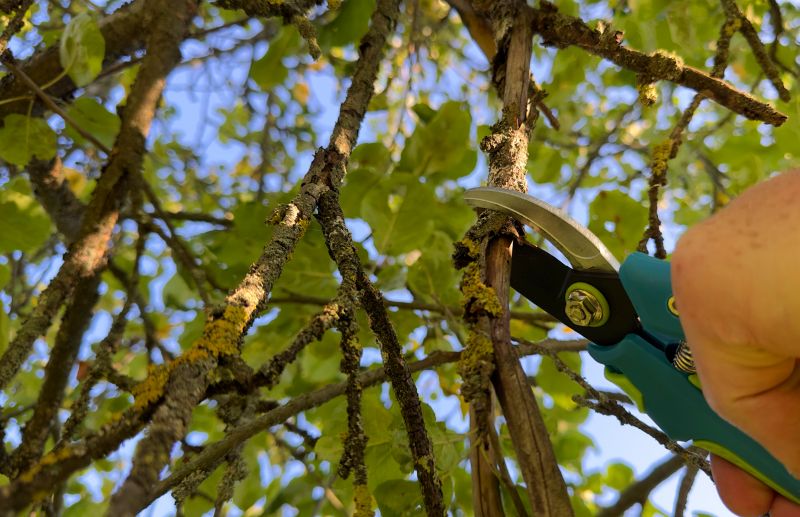
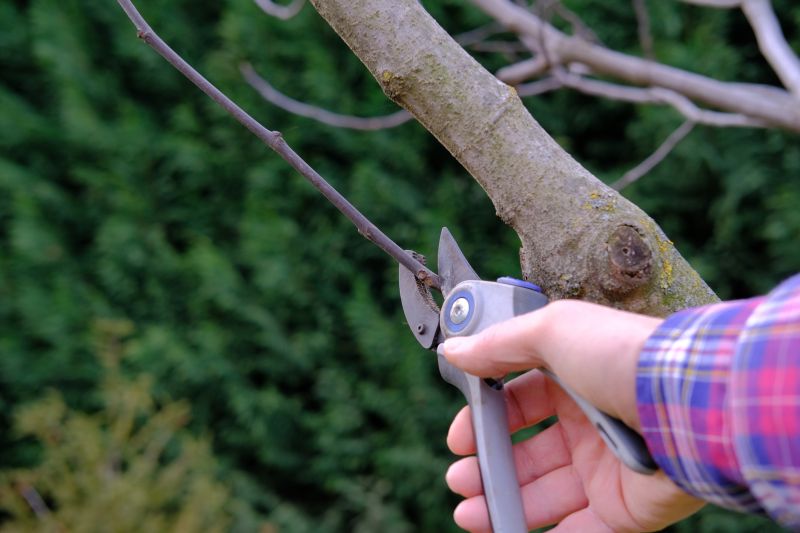
Japanese pruning services are often sought by property owners in Bozeman, MT who want to maintain the health and appearance of their trees. Whether dealing with overgrown branches that threaten structures or removing deadwood to promote new growth, local contractors can help keep trees safe and attractive. This type of pruning is particularly useful for managing the unique landscape of Bozeman, where harsh winters and seasonal changes can impact tree vitality, making professional care a valuable investment.
Homeowners and property managers may also look for Japanese pruning to improve the overall shape and structure of their trees, especially those that add aesthetic value to gardens and yards. Regular pruning can prevent potential hazards caused by weak or damaged limbs, and help ensure trees remain strong and resilient through Montana’s varying weather conditions. Service providers in the area can assist with these projects, offering tailored solutions for maintaining healthy and well-shaped trees.
What are the benefits of Japanese pruning for my trees? Japanese pruning techniques can promote healthier growth, improve the tree's shape, and enhance its overall aesthetic appeal in your landscape.
How do I find experienced Japanese pruning service providers in my area? You can compare local contractors who specialize in Japanese pruning methods by using a lead generation platform that connects homeowners with qualified service providers.
What should I consider when choosing a Japanese pruning specialist? Look for service providers with experience in Japanese pruning styles, good customer reviews, and a clear understanding of your specific tree species and landscape goals.
Are Japanese pruning techniques suitable for all types of trees? Japanese pruning methods are typically used on ornamental and certain fruit trees; a local contractor can advise if it's appropriate for your particular trees.
What types of trees benefit most from Japanese pruning? Trees with a formal or aesthetic shape, such as Japanese maples, pines, and bonsai, often benefit from Japanese pruning styles to maintain their refined appearance.
Tree Shaping and Maintenance - Property owners can keep trees healthy and well-shaped with professional pruning services, enhancing curb appeal and safety.
Overgrown Branch Removal - Local contractors can safely trim back overgrown branches that threaten power lines, walkways, or structures.
Fruit Tree Pruning - Homeowners with fruit trees can improve harvest quality and yield by scheduling regular pruning with experienced service providers.
Storm Damage Cleanup - After storms, property owners can rely on local contractors to clear fallen or damaged branches, restoring safety and appearance.
If you are thinking about Japanese Pruning for a property in Bozeman, MT, this guide is meant to help you understand the work, the typical project types, and how different options might fit your plans.
When you are ready, you can use the quote form on this page to share a few details about your project. From there, local pros can review the basics and respond with options that match what you have in mind.